Is Temperature-Controlled Storage Worth It in Southern California
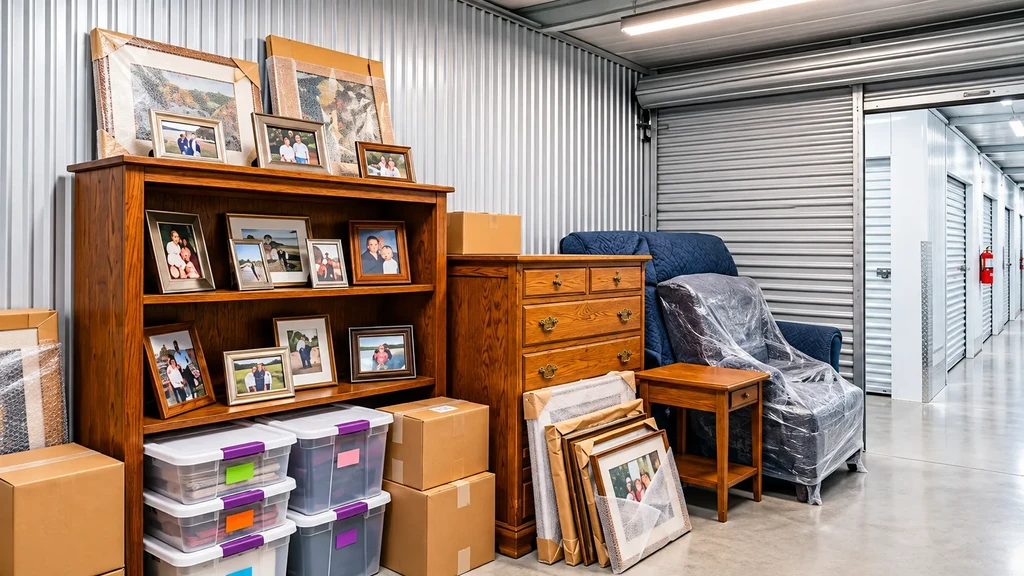
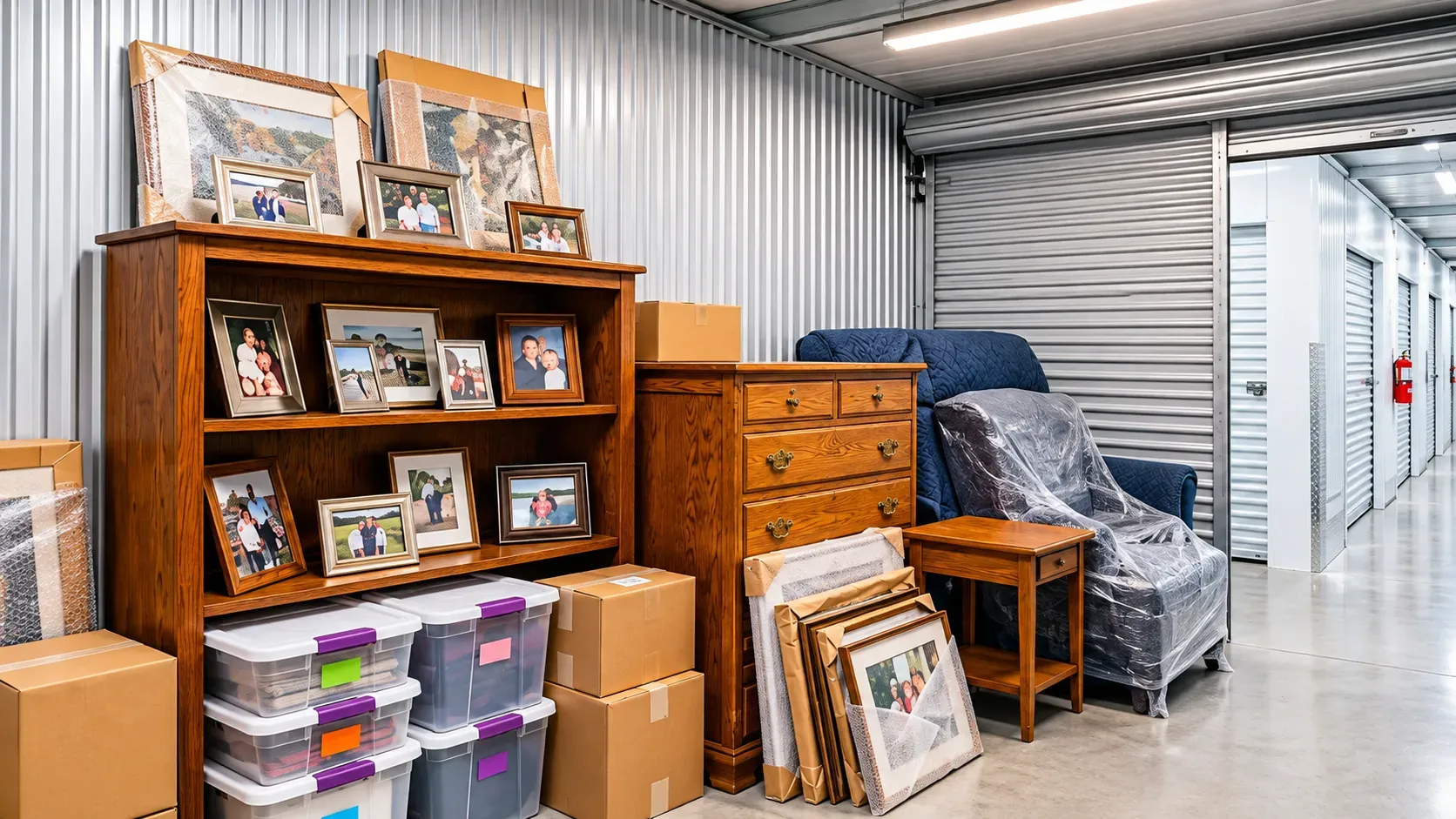
Is temperature-controlled storage actually worth the extra cost, or is it just an upsell? For many items, a standard storage unit works fine. But for paper, photographs, and business records, the answer shifts quickly once you understand what repeated temperature swings do over time. In Southern California, where a garage or attic can go from cool mornings to intense afternoon heat, temperature-controlled storage is often the most practical choice for those items.
What Temperature-Controlled Storage Actually Does
A temperature-controlled storage unit maintains a consistent temperature range year-round. That steadiness matters because most damage to sensitive items builds up over time instead of happening during one extreme event. Paper fibers expand and contract with every temperature cycle. Ink fades, and the paper itself becomes brittle. Adhesives in photo albums, scrapbooks, and bound documents loosen gradually. A storage unit that holds a stable temperature interrupts that cycle before the damage compounds.
That’s a meaningful distinction for anyone storing items in the Inland Empire, as summer temperatures regularly push well past 90 degrees, and garages and attics absorb and hold that heat for hours after sunset.
Paper, Photographs, and Film
Old photographs, film negatives, slides, and printed documents are among the most temperature-sensitive items people store. Heat accelerates the chemical breakdown of photographic emulsions, causing fading, yellowing, and color shifts that cannot be reversed. Slides and negatives can warp or stick together. Printed photos from the pre-digital era are especially vulnerable because the paper stock and dyes used in older prints were not engineered for long-term heat exposure.
Tax records and business documents present a different concern. The IRS asks taxpayers to keep some records for up to seven years, and many businesses hold documents far longer for compliance reasons. Paper stored in a hot, unregulated environment yellows first, then turns fragile as the ink fades, and in worst cases the paper itself begins to break down. A business storage unit with temperature control is a practical choice for any company that needs records to remain legible for years, especially since counting your file boxes ahead of time makes it easier to choose the right storage unit size before moving anything in.
Fabrics and Textile Items
Wedding dresses, quilts, and embroidered textiles are often the items people most regret storing carelessly. Natural fibers like cotton, silk, and wool are sensitive to temperature fluctuations. Heat causes fibers to weaken and yellow, and that damage adds up with every summer the item spends in an unregulated space. A dress that stayed in good condition for decades in a cedar chest at home can start to show that wear after a few summers in a hot garage.
For families moving between homes in Riverside and across the Inland Empire, or college students storing their belongings between semesters, a transition can stretch weeks or months, and a temperature control unit gives these items a steadier environment than most garages or spare rooms can offer.
How To Decide If Temperature Control Is Worth It for You
Before you rent, sort what you’re storing into two groups: items you could replace and items you couldn’t. Tools, patio furniture, and plastic bins usually do fine in a standard storage unit. Old photos, family textiles, and paperwork you need to keep are where the cost difference between a standard storage unit and a temperature control one makes sense.
TNT Self Storage manages storage facilities across Riverside, Orange, Los Angeles, San Bernardino, and San Diego counties, so you can compare storage unit options at a storage facility close to your home or your next move. Browse our storage facilities near you to find space for what you’re storing.