
How to Store Furniture in a Storage Unit the Right Way
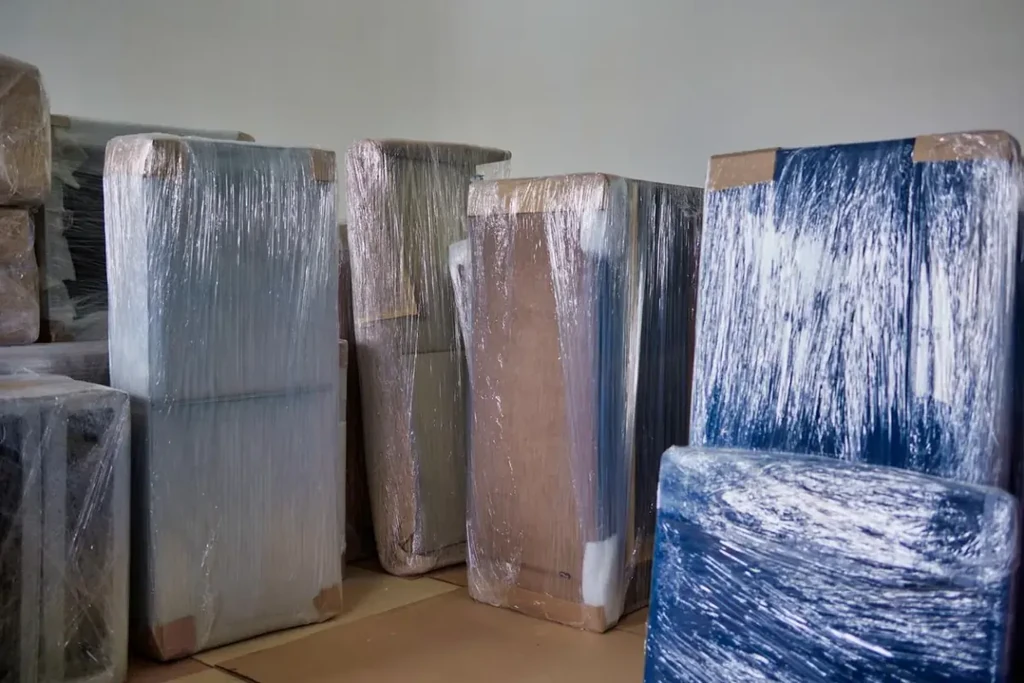
Furniture is one of the most valuable things you own, and one of the easiest to damage when it's stored incorrectly. A dining table with a scratched finish, a sofa that comes out smelling musty, or a wooden bed frame that warps after a few months in the wrong environment: these are not rare outcomes. They happen every day to renters who skipped a few key steps before move-in.
Whether you're downsizing, moving between homes, or simply reclaiming space in a packed garage, knowing how to store furniture correctly makes the difference between retrieving your pieces in great condition and dealing with costly replacements. This guide is designed for movers, downsizers, and anyone navigating a transition in areas like the Inland Empire or Orange County who wants straightforward, practical advice.
The good news: proper furniture storage is not complicated. It just requires the right preparation, the right materials, and the right unit.
Why Furniture Is One of the Trickiest Things to Store
Unlike boxes of books or bins of clothing, furniture presents a unique set of challenges in storage. Weight, size, and material sensitivity all create risk when pieces are not properly prepared. A solid oak dresser might seem indestructible, but extreme temperature swings can cause its wood to contract and crack. A sectional sofa takes up enormous floor space, and stacking anything heavy on top of it can permanently deform the cushions and frame.
The most common mistakes renters make when putting furniture into storage are also the most avoidable. Skipping protective wrapping leaves surfaces vulnerable to scratches and chips during transport and placement. Stacking pieces incorrectly puts uneven pressure on joints and legs that were not designed to bear weight from above.
Proper preparation before move-in day is what separates protected furniture from damaged furniture. The sections below walk you through every step, from cleaning and disassembly to wrapping, layout, and unit selection.
Preparing Your Furniture Before It Enters the Unit
The work you do before your furniture ever reaches the storage unit is the most important work of all. Start by cleaning every surface thoroughly. Dirt, grease, and residue left on wood, fabric, or metal finishes can cause long-term staining and deterioration, especially when sealed inside a unit for weeks or months. Use appropriate cleaners for each material and let everything dry completely before wrapping.
- Disassemble large pieces such as bed frames, dining tables, and bookshelves. This reduces strain on joints, prevents wobbling during transport, and lets you make the most of your unit dimensions.
- Bag all hardware separately. Screws, bolts, and brackets should go into labeled plastic bags. Tape each bag directly to the furniture piece it belongs to so nothing gets lost.
- Apply wood conditioner or polish to wooden furniture before wrapping. This helps it maintain its finish in a temperature-regulated environment where the wood may still experience minor shifts.
- Air out upholstered items fully before wrapping. Trapping odors or residue inside a cover is far more difficult to reverse than preventing it in the first place.
Taking an hour to complete these steps before move-in day will save you from unpleasant surprises when you retrieve your belongings. Think of it as an investment in the condition of furniture you've already invested in.
How to Wrap, Pad, and Protect Every Piece
Once your furniture is cleaned and prepped, protective wrapping is your next line of defense. Not all wrapping materials are equal, and using the wrong ones can actually cause damage. Here's how to approach each category of furniture:
- Hardwood surfaces should be wrapped in moving blankets or furniture pads, not plastic wrap. Plastic applied directly against wood can trap warmth and negatively affect the finish over time.
- Upholstered sofas and chairs do best under breathable fabric covers rather than sealed plastic. This allows air to circulate inside a temperature-regulated unit and keeps fabric from becoming stale or discolored.
- Glass tabletops and mirrors should be wrapped in moving blankets and stored vertically (standing on their edge) rather than lying flat. Storing them flat concentrates pressure across the surface and dramatically increases breakage risk.
- Table legs and chair legs should each be wrapped individually with foam padding or moving blankets. These narrow, exposed pieces are the most likely to chip or dent during transport and repositioning.
- Corner protectors on sharp wooden edges prevent damage to both the piece itself and to surrounding items in the unit.
Investing in quality moving blankets and furniture pads is worthwhile. They are reusable, widely available, and far less expensive than refinishing or replacing a piece of furniture. Many storage facilities also sell packing supplies on-site if you need to stock up before or on move-in day.
Positioning and Organizing Furniture Inside Your Unit
How you arrange furniture inside the unit matters just as much as how you wrap it. A well-organized unit protects your pieces from accidental damage, makes the most of your space, and gives you the ability to reach specific items without dismantling the entire layout.
- Place the heaviest, most durable pieces like dressers, metal frames, and solid wood cabinets along the walls. This anchors the layout and frees up central floor space for navigation.
- Keep wood furniture off the concrete floor by placing it on pallets, furniture risers, or folded moving blankets. This allows air to circulate underneath and protects against temperature transfer from the slab.
- Leave a clear walking path down the center of the unit. Even a 24-inch lane gives you the ability to reach items near the back without disturbing everything in front.
- Use flat-surfaced, sturdy pieces like dressers and tables as the base for stacking boxes. Never stack heavy items directly on top of upholstered furniture.
Good unit organization also makes future visits faster and less stressful. If you're storing furniture during a longer transition, being able to retrieve a single item without unpacking the whole unit is a real advantage. For help choosing a layout-friendly unit size, our size guide is a useful starting point before you book.
Choosing the Right Unit to Keep Your Furniture Safe
All the preparation in the world won't protect your furniture if the unit itself isn't the right fit. Unit selection is where many renters cut corners, and where long-term damage most often begins. Here's what to prioritize when evaluating your options:
- Temperature-controlled storage is essential for wood furniture, upholstered pieces, and anything with a delicate finish. A consistent temperature range prevents wood from warping, cracking, or losing its finish due to extreme heat or cold.
- Confirm unit dimensions before move-in day. A unit that's too small forces poor stacking decisions that put your furniture at risk. Measuring your largest pieces ahead of time prevents this entirely.
- Look for facilities with gated access control and digital camera surveillance. Your furniture is a significant investment, and secure storage means it stays protected.
- Ask about month-to-month leases. Whether you're between moves or managing a longer-term transition, flexible lease terms mean your storage arrangement works on your timeline, not a facility's.
Renters in the Inland Empire have several well-maintained TNT Self Storage locations to choose from. If you're in the Riverside area, you can explore storage units in Riverside with the features your furniture needs. Those closer to the Orange County coast may find storage options in San Clemente a convenient fit. And for renters in the San Bernardino corridor, storage facilities in Beaumont offer affordable, secure units with the right amenities.
Ready to Store Your Furniture With Confidence
Storing furniture well comes down to four things: thorough preparation before move-in, proper wrapping and padding for every piece, a smart layout inside the unit, and a temperature-controlled storage unit that matches your actual needs. Skip any one of these steps, and you introduce risk that's entirely avoidable.
The good news is that once you've done this the right way, it becomes second nature. You'll know which materials to use, how to arrange the space efficiently, and what to look for in a facility. Your furniture will come out of storage in the same condition it went in—ready to use in your next home, office, or space.
If you're ready to find a unit that fits your furniture storage needs, call TNT Self Storage directly. A team member can walk you through available unit sizes, temperature-controlled options, and flexible lease terms so you can move forward with confidence. You can also browse all TNT Self Storage locations across California to find the facility closest to you.