Self Storage Security Features Every Renter Should Know
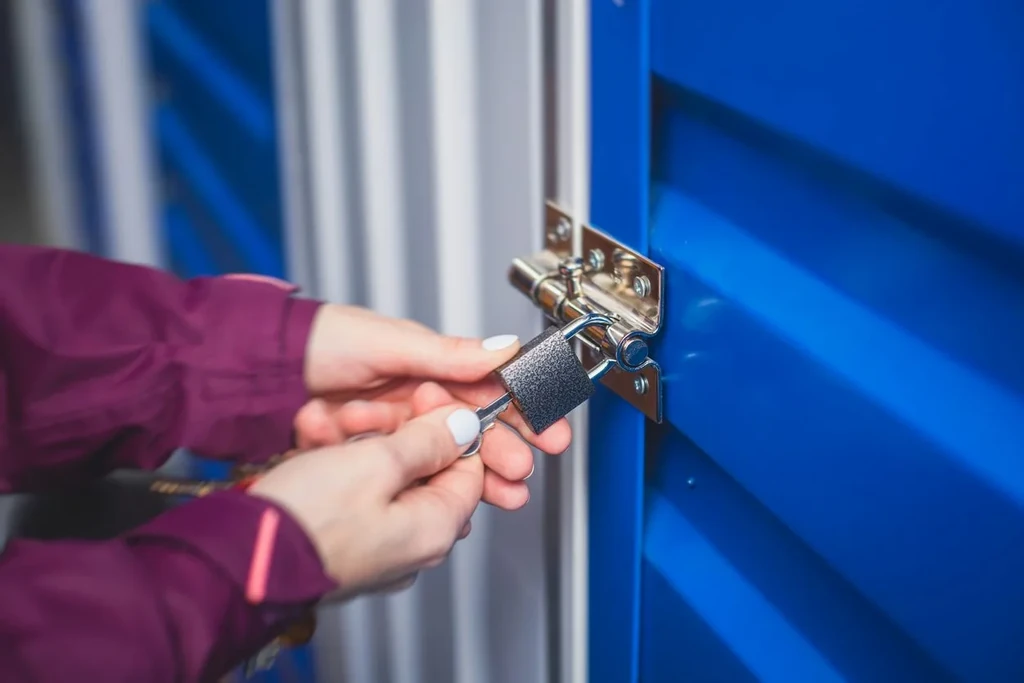
When most people shop for a storage unit, price is the first thing they check. That's understandable, but it's also how renters end up at facilities where a basic padlock is the only thing standing between their belongings and a bad outcome. Storage facility security features vary dramatically from one property to the next, and understanding those differences before you sign a lease can save you from a costly mistake.
Renters across Southern California, particularly in high-demand areas like the Inland Empire and Orange County, should make security a primary filter, not an afterthought. A facility that saves you $20 a month but can't tell you where its cameras are pointed isn't actually a good deal. Real value comes from knowing your belongings are protected by multiple, layered systems working together.
The condition of a facility also tells you a lot. A well-maintained property with clean corridors, functioning lighting, and clearly visible cameras signals that management takes security seriously and invests in ongoing upkeep. When you tour a facility, ask directly: "What security features does this facility have?" A reputable provider from TNT Self Storage Management will answer clearly and confidently with no hesitation, no vague reassurances.
The Core Security Features of a Quality Storage Facility
Not every facility that calls itself secure actually is. A truly secure self storage property combines several systems that work together to deter, detect, and respond to threats. Here's what to look for:
- Gated access control: Keypad-entry or key-card systems ensure that only authorized renters can enter the property. A gated storage facility with individually coded access also creates an audit trail so management can see who entered and when.
- 24/7 digital surveillance cameras: Self storage with cameras positioned at entry points, driveways, and unit corridors provides continuous, visible deterrence.
- Individual unit alarms: A storage unit with alarm capabilities adds a critical layer of protection that perimeter cameras alone can't provide. If a specific unit is tampered with, the alarm alerts staff or a monitoring service immediately.
- Perimeter fencing: Solid fencing with no gaps or low-access points reinforces the property boundary. Look for fencing that's tall enough to discourage climbing and maintained well enough to have no obvious weak spots.
- On-site or third-party management: A human presence matters. Whether it's on-site staff or a professional third-party management team, someone should be actively monitoring activity and ready to respond to incidents in real time.
What To Ask When Touring a Self Storage Facility
A facility tour is your best opportunity to evaluate storage unit security with your own eyes. Come prepared with specific questions rather than relying on a general impression. Here's a practical checklist to guide your visit:
- What are the access hours? Confirm whether 24-hour access storage is available and whether entry is enforced through automated gated access control. Some facilities advertise extended hours but rely on manual oversight that isn't always consistent.
- How is the property lit? Walk the interior hallways and ask about lighting in after-hours areas. Poor lighting is one of the most overlooked security gaps in otherwise solid facilities.
- What is the incident response protocol? Find out whether the facility uses on-site staff or a third-party management service, and ask specifically how they respond when a security issue is reported.
When Temperature-Controlled Storage Adds an Extra Layer of Security
Temperature-controlled units offer more than a consistent temperature range for sensitive items; they also tend to be inherently more secure. These units are typically housed inside enclosed, multi-story buildings rather than in outdoor drive-up rows, which limits the number of entry and exit points available to anyone on the property.
Interior unit corridors in temperature-controlled buildings are easier to monitor with cameras precisely because access is more controlled. There are fewer ways in and fewer ways out, which means surveillance coverage is more comprehensive and gaps are less likely.
For a closer look at indoor storage units in Riverside that combine interior access with strong security infrastructure, it's worth exploring options in that area directly.
Choosing a Secure Storage Facility with Confidence
By the time you're ready to rent, you should have a clear picture of what a well-secured facility looks like and what shortcuts to watch out for. Use a checklist approach when comparing your options: gated entry, digital cameras, unit alarms, perimeter fencing, and on-site or third-party management should all be present. If a facility is missing more than one of these, keep looking.
If you're searching for storage in Southern California, explore TNT's storage locations across California to find a facility near you that meets the security standards outlined here. And if you're still weighing your options, our complete guide to renting your first storage unit is a helpful next step.